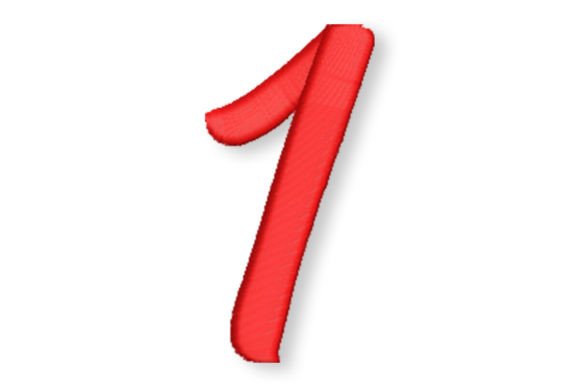
Script Number One: A Designer’s Review for Gifts
As an embroidery designer running a busy personalized gift shop, I am constantly evaluating new fonts to ensure they meet the high standards my customers expect. When I first loaded Script Number One into my software, I wasn't just looking at letterforms; I was envisioning finished products on shelves and in gift boxes. This machine embroidery design promises versatility across multiple file formats and machines, but the true test lies in how it translates from screen to fabric. After spending time testing this script font for real-world applications, here is my honest assessment for fellow Etsy sellers, small business owners, and crafters looking to elevate their custom embroidery offerings.
First Impressions: Mood and Emotional Appeal
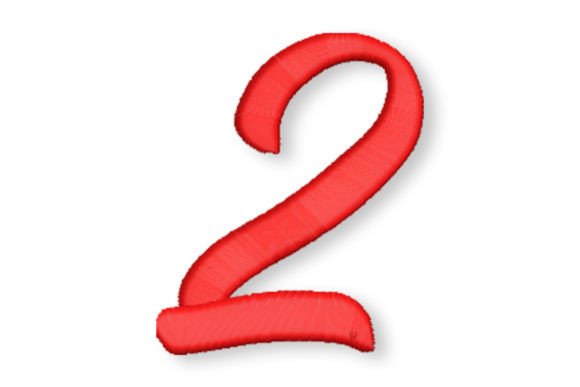
The immediate impression of Script Number One is one of approachable elegance. It strikes a difficult balance that many digital embroidery files miss: it feels distinctly handmade rather than industrially stamped. The flow of the letters suggests a classic, romantic mood without being overly ornate or stuffy. For a personalized gift shop, this is gold. It reads as sweet and sincere, making it an ideal candidate for items that carry emotional weight.
Unlike blocky collegiate fonts that scream "school" or stiff serifs that feel corporate, this script carries a softness that invites touch. It possesses enough detail to look premium on camera, which is vital for product photography and buyer engagement, yet remains legible enough for quick reading. Whether you are creating nursery decor or wedding keepsakes, the charm of this font lies in its ability to make a mass-produced item feel like a bespoke heirloom.
Ideal Applications for Personalized Products
In my testing workflow, I categorized potential uses for Script Number One based on customer demand and fabric compatibility. This font shines brightest when used for sentimental items where the name or date is the focal point.
- Baby Embroidery: This is arguably the strongest use case. The gentle curves are perfect for blanket embroidery, bibs, and nursery wall hangings. Parents seeking baby gifts often want something that looks timeless in photos, and this script delivers that aesthetic beautifully.
- Wedding Gift Market: For wedding designers, this font works exceptionally well on pillow covers, ring bearer pillows, and bridal robes. It conveys romance and tradition, increasing the perceived value of the handmade product.
- Home Textiles: I tested this on kitchen towels and aprons. While some scripts get lost in terry cloth, Script Number One has sufficient presence to remain readable on an embroidered towel, provided the stabilizer is chosen correctly.
- Tote Bags and Apparel: For craft fair products and Etsy listings, this font adds a boutique feel to canvas totes and denim jackets. It transforms basic blanks into desirable custom embroidery pieces that justify a higher price point.
Navigating Fabric Challenges and Limitations
No single embroidery file is perfect for every surface, and as professionals, we must know where to exercise caution. During my review, I identified specific scenarios where Script Number One requires extra attention or should be avoided entirely.
Texture and Thickness Considerations
While beautiful, script fonts rely on continuous lines. On highly textured fabrics like chunky knits or thick plush blankets, delicate details can sink into the pile. If you are planning baby embroidery on minky or fleece, you must adjust your stitch density or use a topping to prevent the design from disappearing. Similarly, on thick towels, ensure your hoop size allows for adequate tension; loose hooping combined with a flowing script can lead to registration issues where letters fail to connect properly.
Stretch and Small Sizing
I advise against using this specific script at very small sizes on stretchy baby clothes like onesies. Script fonts generally require more space to maintain legibility than block letters. If scaled down too aggressively to fit a tiny chest area, the loops may close up after washing. Always check the minimum recommended size in your software before committing to a production run on stretch knits.
Color Contrast and Dark Fabrics
When working with dark fabrics, thread color contrast becomes critical. A white script on navy blue pops beautifully, but subtle tones like cream on beige may lack the definition needed for a professional finish. Always compare light and dark fabric mockups before stitching. Remember that what looks distinct on a bright computer monitor might blend together on actual fabric texture.
The Business Impact: Value and Customer Trust
For small shop owners and digital product sellers, font choice directly influences sales. Script Number One enhances giftability because it signals "custom" immediately. In a market saturated with generic vinyl decals, a well-executed embroidered script implies durability and care. This builds customer trust and encourages repeat business.
From a marketing perspective, this font photographs well. The organic lines create visual interest in flat lays and lifestyle shots, boosting buyer engagement on social media platforms. When customers see a name stitched in this elegant style, they perceive higher value compared to standard printing. For those selling commercial embroidery services, offering this specific style can differentiate your catalog from competitors who rely solely on built-in machine fonts.
Essential Technical Notes for Success
Before adding Script Number One to your permanent library or fulfilling customer orders, please adhere to these practical embroidery notes to ensure consistent quality.
- Test on Scrap Fabric: Never stitch directly on a final product without a test run. Use scrap material that matches the weight and weave of your intended item to verify stitch density and tension.
- Verify File Compatibility: This machine embroidery design comes with multiple embroidery file formats. Confirm that the specific format you select is compatible with your machine model before purchasing or downloading.
- Stabilizer Selection: Script fonts are unforgiving regarding stabilization. Use a cut-away stabilizer for stretchy garments and baby clothes to prevent distortion. For woven fabrics like towel or pillow cover projects, a tear-away may suffice, but always prioritize stability over ease of removal.
- Check Licensing: If you are an Etsy seller or small business owner, confirm commercial licensing terms before selling finished products. Ensure you have the right to use this digital embroidery file for profit.
- Hoop Size Verification: Measure your design dimensions carefully. Ensure the selected hoop size accommodates the full length of names or phrases without requiring excessive re-hooping, which increases the risk of alignment errors.
- Review Stitch Density: Depending on your fabric, you may need to adjust density settings. Heavy fabrics may require reduced density to prevent stiffness, while sheer fabrics might need reinforcement to prevent puckering.
Final Thoughts for Makers
Script Number One is a versatile tool for any serious embroidery business. Its blend of classic charm and modern readability makes it a reliable choice for everything from baby blankets to wedding gifts. By respecting its technical requirements and understanding its best applications, you can create personalized gift products that delight customers and stand out in a crowded marketplace. As with all tools in our trade, success comes from knowing both the capabilities and the limits of your materials. Happy stitching!